Community Development Operating Model
From Research Consent to Implementation, Funding, Completion, Maintenance and Long-Term Impact.
Eight commitments behind every intervention.
- 01Listen first.
- 02Validate with the community.
- 03Choose projects by evidence.
- 04Fund transparently.
- 05Implement with local ownership.
- 06Maintain with community responsibility.
- 07Report publicly.
- 08Repeat with improvement.
From listening to improvement.
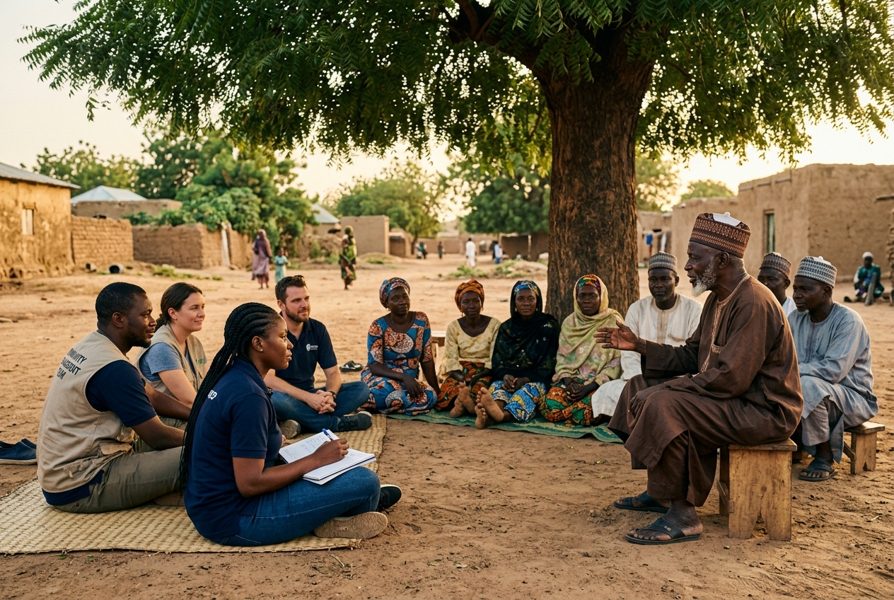
Community research with consent — people define the need.
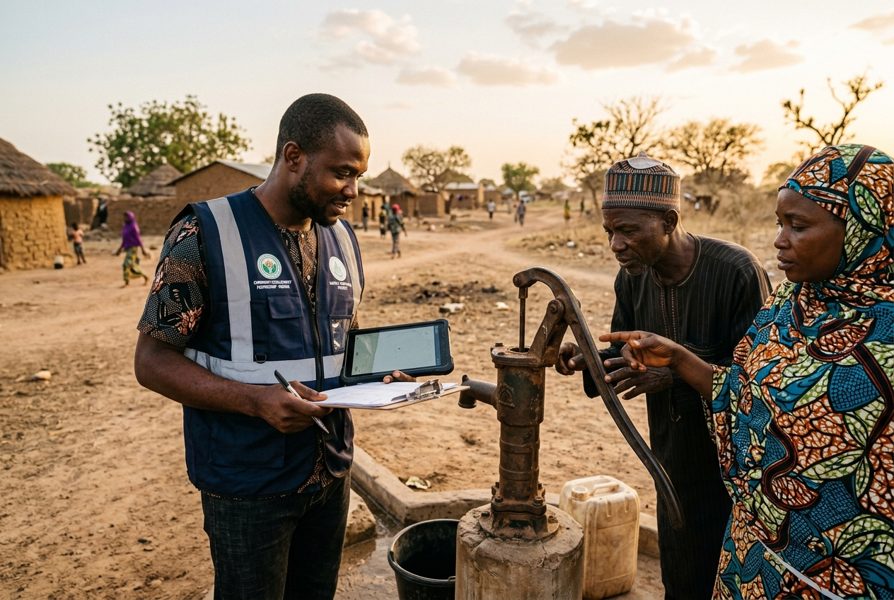
Field verification of every reported need before any commitment.
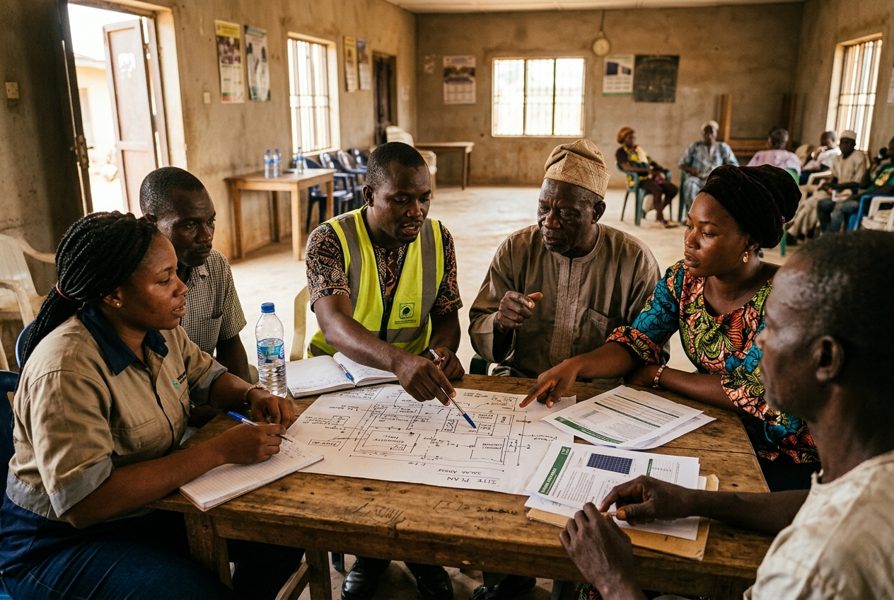
Co-design the intervention with engineers and the community.
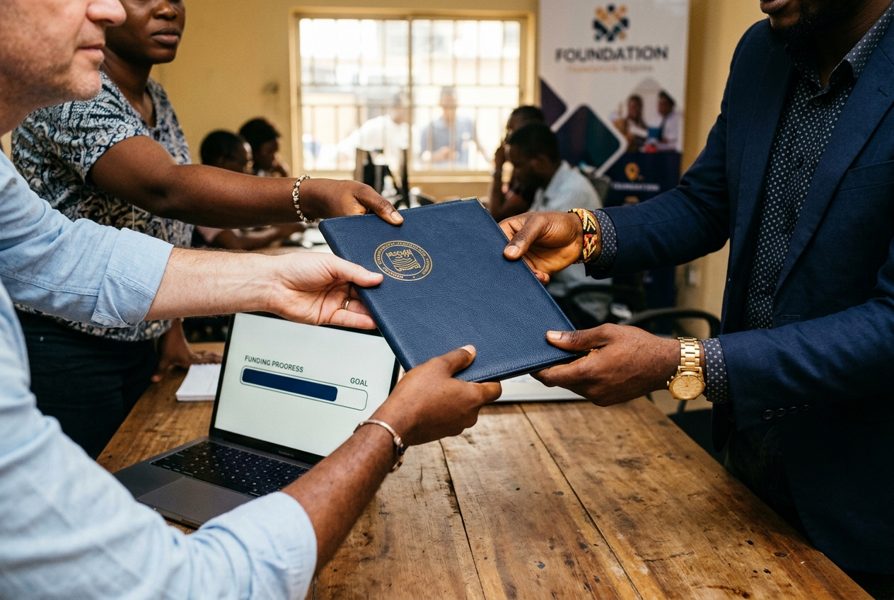
Transparent funding with a public project number and progress bar.
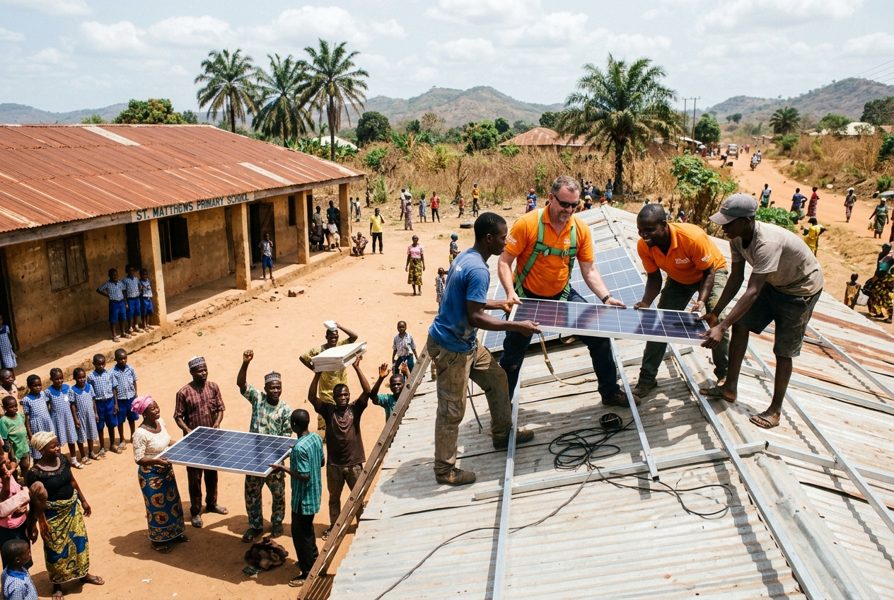
Local ownership: community members build alongside our teams.
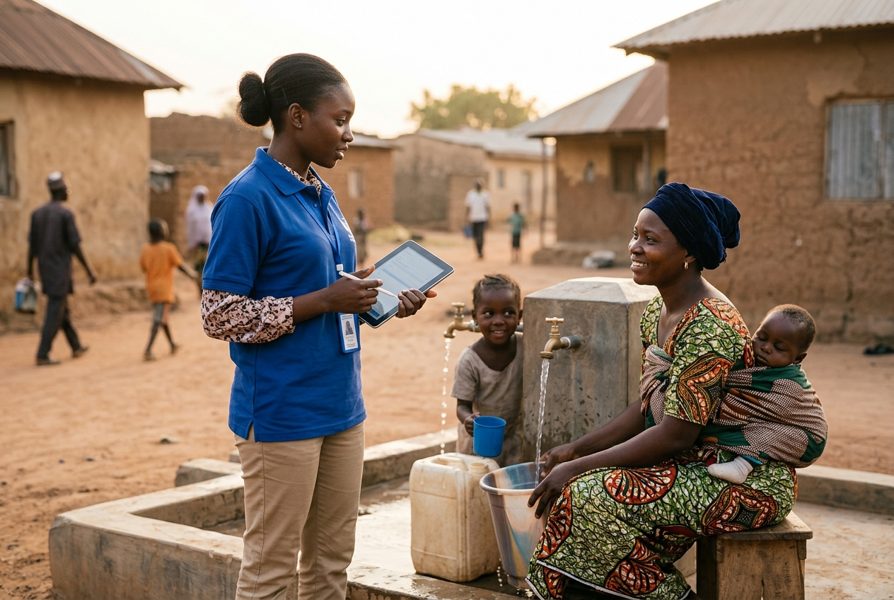
Follow-up visits check the intervention still works and serves.
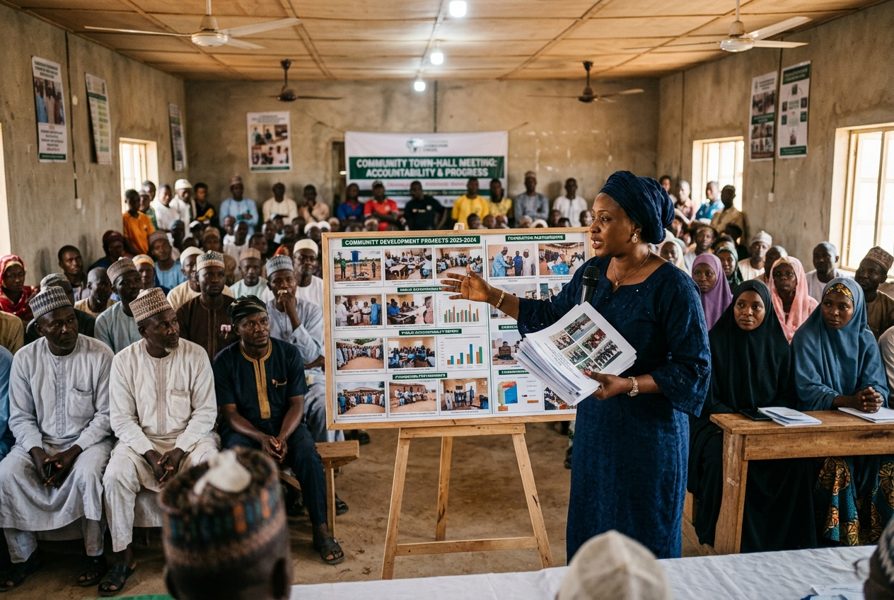
Photos, budgets and outcomes published for donors and community.
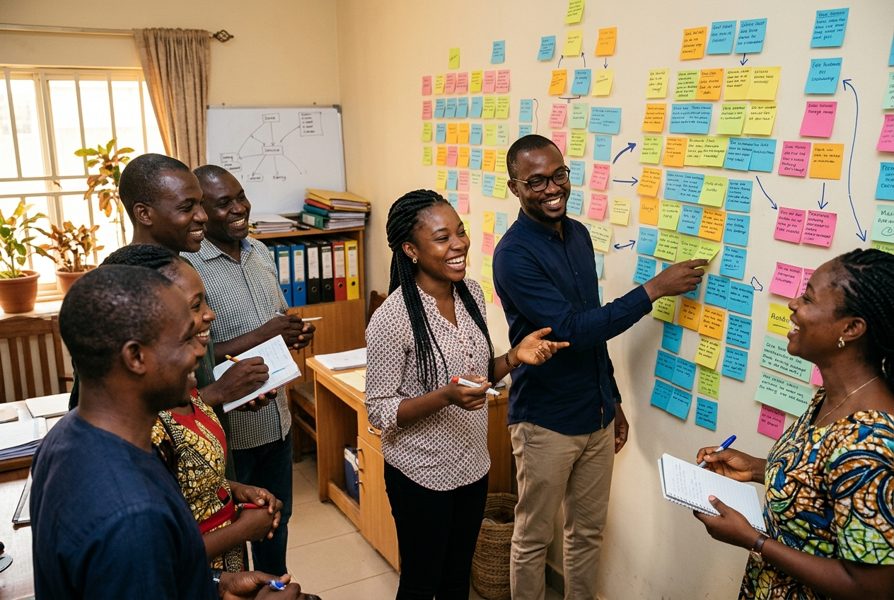
Lessons learned feed the next cycle — repeat with improvement.


Every intervention begins with listening, research consent and community validation.
Sixteen stages. One accountable system.
- 1
Community Entry
We are invited or identify a community through research, partners or a reported need.
- 2
Research Consent
Leaders, women's and youth representatives consent to a needs assessment.
- 3
Needs Assessment
Household surveys, focus groups and observation document the real situation.
- 4
Community Validation
Findings are presented back and confirmed publicly by the community.
- 5
Project Prioritisation
Needs are ranked by evidence, urgency, reach and feasibility.
- 6
Project Design
A costed intervention with beneficiaries, timeline and maintenance plan. A DKF-PRJ number is issued.
- 7
Funding
Sponsors, donors and partners fund the project transparently against the published budget.
- 8
Procurement
Competitive, documented procurement with conflict-of-interest declarations.
- 9
Implementation
Delivered with local labour and community oversight committees.
- 10
Monitoring
Field reporting, photographs and spending updates published to the project page.
- 11
Completion
Completion report and independent verification.
- 12
Handover
Formal handover to the community with roles and responsibilities agreed.
- 13
Maintenance
Community maintenance committee and agreed contribution arrangements.
- 14
Long-Term Impact
Follow-up at 3, 6 and 12 months; outcomes and impact recorded separately from outputs.
- 15
Public Reporting
Impact report published; donors and sponsors notified.
- 16
Learning & Improvement
Lessons feed the next cycle — repeat with improvement.